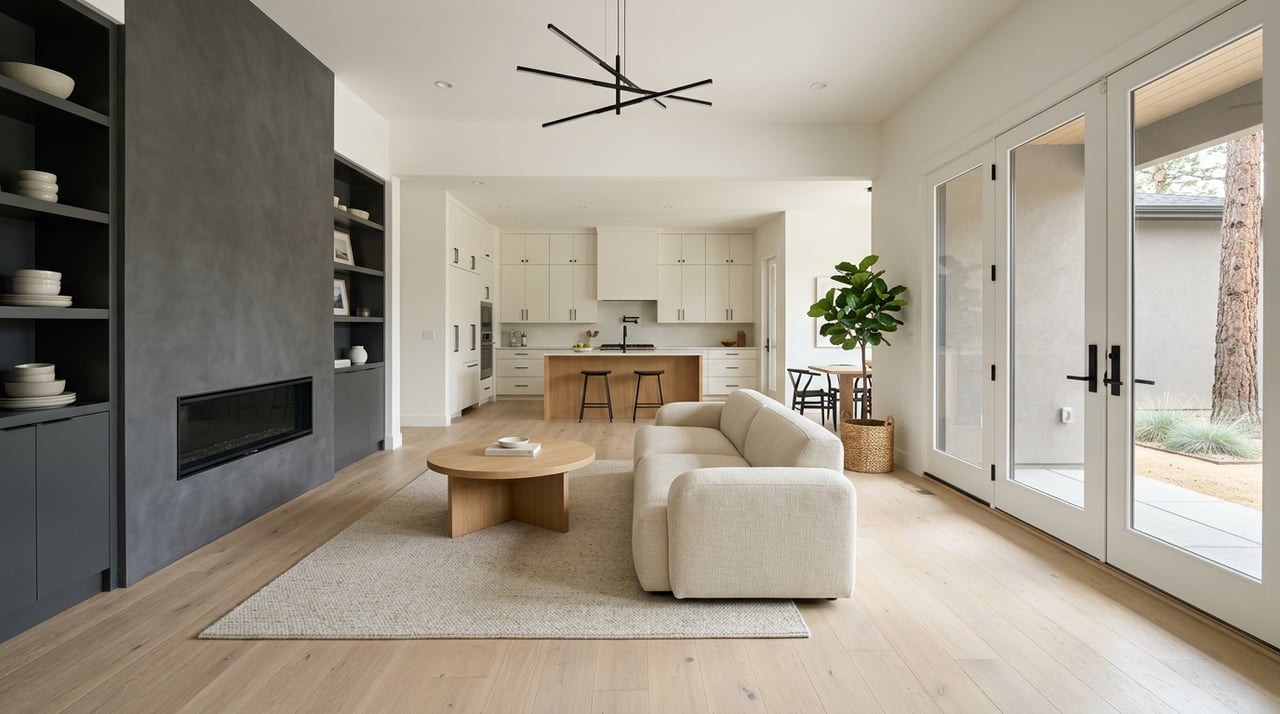
Buying your first home in Boulder can feel a bit like eyeing the Flatirons from the trailhead: exciting, beautiful, and a little intimidating. You want a clear plan, trusted local insight, and a calm guide who can help you budget, shop smart, and protect your interests. In this roadmap, you’ll learn the exact steps, Boulder-specific costs, the tests and checks locals rely on, and the most useful assistance programs that can bridge the gap. Let’s dive in.
Boulder market snapshot
As of December 2025, Realtor.com reported a median listing price near $999,000 with a median of about 97 days on market in Boulder. You will also see other vendors show different figures. Redfin often reports lower median sale prices for parts of the area because datasets and definitions vary by city and submarket. A practical takeaway is to expect a wide range roughly between the mid six figures and about $1.0 million depending on neighborhood and property type. You can review the current listing snapshot on the Realtor.com Boulder overview page.
What this means for you: first-time buyers in Boulder often need to plan for stronger earnest money, healthy cash reserves, and careful use of down payment assistance where eligible. Your offer strategy should flex by neighborhood and by the listing’s competitiveness.
Your step-by-step roadmap
Phase A: Prepare your budget and pre-approval
Start with a full pre-approval so you know your comfortable price range and can act quickly. If you plan to use down payment assistance, choose a lender that participates in the program from the start. For example, CHFA requires working with participating lenders and completing homebuyer education. You can explore options on the CHFA down payment assistance page.
Build your “cash to close” plan early. Besides your down payment, set aside funds for earnest money, inspections, and closing costs. Buyers in Colorado commonly see closing costs around 2 to 5 percent of the purchase price, which you can verify in this closing cost overview. Ask at least two lenders for a Loan Estimate so you can compare fees and monthly payments side by side.
Phase B: Search, offers, and negotiation
Walk homes with a careful eye and keep a short list of must-haves versus nice-to-haves. In Boulder County practice, earnest money is often in the 1 to 3 percent range, with some competitive listings seeing 2 to 5 percent to strengthen an offer. Keep key protections like inspection, appraisal, and financing contingencies unless you clearly understand and accept the risks.
When it is time to write, you can use strategies like an escalation clause or a stronger earnest money deposit. The right structure depends on the specific home and current activity. Your agent will pull local comps and discuss what is typical for that neighborhood right now.
Phase C: Due diligence and inspections
Plan a general home inspection plus focused checks of roof, electrical, plumbing, and HVAC. In Boulder, two extra items are very common. First, order a radon test. Elevated radon is common in the county, and mitigation is a routine fix. The county notes that mitigation often runs about $800 to $1,500 for a typical system, and the EPA action level is 4.0 pCi/L. See local testing guidance and resources on the Boulder County radon page.
Second, schedule a sewer scope on older homes. If the home is on a well or septic, order water testing and a septic inspection. For properties near the foothills or in wildland-urban interface areas, get a wildfire-risk assessment and start a mitigation plan. Boulder County’s Wildfire Partners offers technical help and rebates, outlined on the Wildfire Partners rebate program page.
Finally, confirm whether the property sits in or near a floodplain. Some creek-adjacent areas require flood insurance for federally backed loans. You can track local mapping and projects through the city’s Boulder Creek flood mitigation page and verify the current map for the exact address.
Phase D: Finance and coordinate assistance
Lock your mortgage product and coordinate timing with any assistance program. Many programs must be originated through approved lenders and may require extra steps or approvals, so build in time. CHFA options, for example, require education and participating lenders, and local city or county funds can be limited or cyclical. Start documents early, keep your income and asset paperwork organized, and ask your lender to outline program-specific milestones.
Phase E: Underwriting, appraisal, and closing
From a signed contract, most conventional and FHA loans close in about 30 to 45 days. Timelines can extend if assistance paperwork or unusual repairs are involved. Your lender will order the appraisal and complete underwriting. If pricing is volatile, discuss appraisal-gap language carefully before you submit your offer so you know your plan.
What it really costs in Boulder
Closing costs. Budget about 2 to 5 percent of the price for buyer closing costs, which cover lender fees, appraisal, title and escrow, prepaids, and initial escrows. On a $600,000 purchase, that is roughly $12,000 to $30,000. On a $1,000,000 purchase, that is roughly $20,000 to $50,000. Learn what’s typical in this closing cost summary, then compare written Loan Estimates.
Earnest money. In Boulder County practice, a common baseline is 1 to 3 percent of the price, with competitive listings sometimes calling for 2 to 5 percent. Colorado contracts set delivery deadlines and escrow instructions. Contingencies can protect refundability, so understand each date and condition before you sign.
Property taxes. Colorado applies an assessment rate to the home’s actual value to get an assessed value, then applies local mill levies to calculate the tax. A simple illustration looks like this: actual value × assessment rate × mill levy = property tax. The Boulder County tax calculation guide shows current examples and how school and local mill levies factor in.
HOA and deed-restricted homes. Boulder has a robust permanently affordable program with deed covenants that set income and asset limits, occupancy rules, and resale formulas. These rules can cap appreciation and shape your exit timeline. Review the covenant, the resale formula, and any HOA guidelines early. Explore program details on the city’s Permanently Affordable Homeownership Program page.
Inspections and tests. A general inspection is typically several hundred dollars. Add a few hundred for a radon test and a sewer scope, and more for well, septic, or specialty inspections. Include these items in your savings plan so you are not surprised.
Assistance programs to explore
CHFA statewide assistance. CHFA offers two primary options that pair with CHFA loans. The Down Payment Assistance Grant provides up to the lesser of $25,000 or 3 percent of the first mortgage. The Second Mortgage Loan option provides up to the lesser of $25,000 or 4 percent of the first mortgage, with deferred repayment terms. Program rules and funding can change, so start with the CHFA DPA overview and speak with a participating lender.
City of Boulder Middle-Income DPA pilot. This program may offer a zero-interest second mortgage up to $200,000 or 30 percent of the sale price in exchange for a deed restriction that sets resale rules. Review eligibility, income and asset caps, and how the deed restriction affects appreciation on the Middle-Income DPA pilot page.
Permanently affordable homeownership. If you qualify, the city’s permanently affordable program offers deed-restricted homes with set pricing frameworks and occupancy requirements. Learn how the resale formula works and what documents you should review on the Permanently Affordable Program page.
County and regional resources. Boulder and regional partners maintain a hub that summarizes down payment assistance options, including MetroDPA and local programs. Start with the city’s Guide to Down Payment Assistance Programs for current links and contacts.
Nonprofit options. Organizations like CHAC can help fill smaller gaps with counseling and supplemental loans. Availability and terms can shift, and coordination with your lender is key, so inquire early in your process.
Key Boulder risks and disclosures
Radon. Test during the inspection period. If levels are at or above 4.0 pCi/L, mitigation is standard and typically affordable in our area. Boulder County provides guidance for testing, acceptable methods, and real estate transaction timing.
Wildfire risk. Homes near open space or in WUI zones benefit from a risk assessment and targeted mitigation. Wildfire Partners offers assessments and rebates that can reduce costs and improve insurance outcomes.
Floodplain. Verify current FEMA, city, and county maps for any property near creeks or drainageways. Flood insurance may be required if the home lies in a Special Flood Hazard Area.
Deed restrictions. If you buy a permanently affordable or otherwise deed-restricted home, read the covenant and resale formula in full. These rules shape appreciation, occupancy, and long-term planning.
Where your team makes the difference
Local lender. Pre-approval strength, rate options, and experience with CHFA or local DPA programs can save you time and money.
Buyer’s agent. You get neighborhood insight, offer and earnest money strategy, and help navigating deed restrictions and disclosures.
Inspectors. Choose pros who know Boulder’s common issues, from radon to sewer lines and wildfire hardening recommendations.
Title and escrow. They coordinate closing, prorations, and title exceptions so you know exactly what you are buying.
Housing counselor. Many DPA programs require education. Counselors help you budget and complete program steps on schedule.
Ready to start?
Buying in Boulder does not have to be stressful. With a clear budget, the right local checks, and a calm, design-focused plan for move-in improvements, you can land a home that fits your life and your numbers. If you want a patient guide to walk you through financing, inspections, and smart offer structure, connect with Erin McDougal to schedule a free consultation.
FAQs
What is the current price range for first-time buyers in Boulder?
- Data varies by source and submarket, but recent snapshots show a wide range from the mid six figures up to about $1.0M, with the median listing price near $999,000 as of December 2025 per Realtor.com.
How much cash do I need up front to buy in Boulder?
- Plan for earnest money around 1 to 3 percent of the price, plus closing costs of roughly 2 to 5 percent, and inspection fees; your down payment and reserves depend on your loan and any assistance you use.
Are Boulder property taxes high compared with nearby areas?
- Taxes depend on your home’s value, assessment rate, and local mill levies; use the county’s calculator and examples to see how your specific price point translates to an annual bill.
Should I waive my inspection to be competitive?
- It is usually safer to keep inspection protections and negotiate repairs or credits, especially with Boulder’s radon, sewer, wildfire, and flood considerations.
Can I stack CHFA with Boulder city or county programs?
- Sometimes yes, subject to program rules and lender coordination; start early with a CHFA-participating lender and confirm stacking eligibility before making an offer.
How long does it take to close once my offer is accepted?
- Most conventional and FHA loans close in about 30 to 45 days, which can extend if assistance program steps or repairs add time.