Thinking about selling your Arvada home but unsure if this is the right season? You’re not alone. With rates easing a bit and inventory shifting, it can feel tricky to time your move. In this guide, you’ll get a clear read on today’s market, honest pros and cons, and a step-by-step plan to prepare, price, and present your home with confidence. Let’s dive in.
Arvada market snapshot for this season
Arvada home values are holding in the high five-hundred to low six-hundred range. Recent sources place the typical value around 590,000 to 620,000 as of early 2026. For example, Redfin reported about 615,000 in January 2026, while Realtor.com showed roughly 594,400 for December 2025.
Pace has slowed from peak-pandemic years. Depending on the metric, median days on market in Arvada has ranged from the mid 40s to the 70s in recent months. Redfin reported about 61 days in January 2026, while some portals show longer timelines.
Across Metro Denver, months of inventory has been hovering in a balanced band near 4 to 5 months as of January 2026. In plain terms, that means results are more property-specific. A well-prepared, well-priced home can still move quickly, while overpricing or weak presentation can lead to longer negotiations.
Mortgage rates have eased since late 2025, which can help buyer activity. Freddie Mac’s latest survey showed the 30-year fixed around 5.98 percent in late February 2026.
What balance means for you
Different data providers measure price and speed in different ways, which is why you see variations across portals. What matters most is how your specific home compares to recent neighborhood sales and active competition. Using MLS comps, you can set a price band that attracts the right buyers within the first two weeks.
Inventory is higher than the tightest years, and spring usually brings more new listings. That gives buyers more choice and puts a premium on strong presentation, accurate pricing, and thoughtful timing.
If your home is near Olde Town or has walkable or transit-friendly perks, be sure to spotlight that in marketing. The RTD G Line connection continues to be a demand driver for buyers who value easy access.
Pros of listing now
- Rates have dipped from recent highs. Softer financing costs can bring more buyers into the market and improve affordability for your target price point. See Freddie Mac’s weekly rate trend.
- Balanced conditions reward great prep. Buyers compare more homes today, and strong staging, photography, and pricing precision can set you apart. NAR research on staging shows it commonly reduces time on market and can nudge offers higher.
- Location perks still matter. Proximity to Olde Town amenities, parks, and transit often commands a premium. Make these benefits clear in your listing remarks and visuals.
Reasons to wait or prep first
- Price sensitivity is real. Some price bands and neighborhoods have seen longer days on market and modest year-over-year declines. Buyers will compare multiple active listings and expect value.
- Competition is rising. More active inventory and some new-construction options increase choice for buyers. You may need stronger staging, sharper pricing, or flexible terms to win attention.
- Taxes and timing matter. If you have a large potential gain or a short ownership period, talk to a tax professional about your best timing. Review the IRS primary-residence exclusion in Publication 523.
Your step-by-step seller plan
Start with a valuation consult
- Request a comparative market analysis. Ask for recent sold comps with dates, prices, price per square foot, and clear adjustments for differences like basement finish, lot size, and condition. A CMA is an agent’s estimate based on market data, not a formal appraisal.
- Compare 2 to 3 strategies. Different agents may propose slightly different list-price bands and marketing approaches. If you need an independent view for planning, consider a paid appraisal.
- Build a net sheet. Ask for a simple estimate of proceeds that includes likely sale price, closing costs, staging or repair budgets, and tax proration assumptions. For county tax context, review Jefferson County’s property tax resources.
Get a pre-list inspection and fix the big stuff
- Consider a pre-list inspection, especially if your home is older or you suspect deferred maintenance. It can uncover items that buyers might use to negotiate later. Learn about benefits from this overview of pre-listing inspections.
- Prioritize safety and systems first. Roof, HVAC, plumbing, electrical, and any active leaks should come before cosmetics. Keep receipts and warranties ready for the buyer’s review.
Lean into design-forward prep and staging
- Staging helps in balanced markets. Many agents report faster sales and better offers when key rooms are staged. NAR’s staging insights show the living room, primary bedroom, and kitchen deliver the biggest impact.
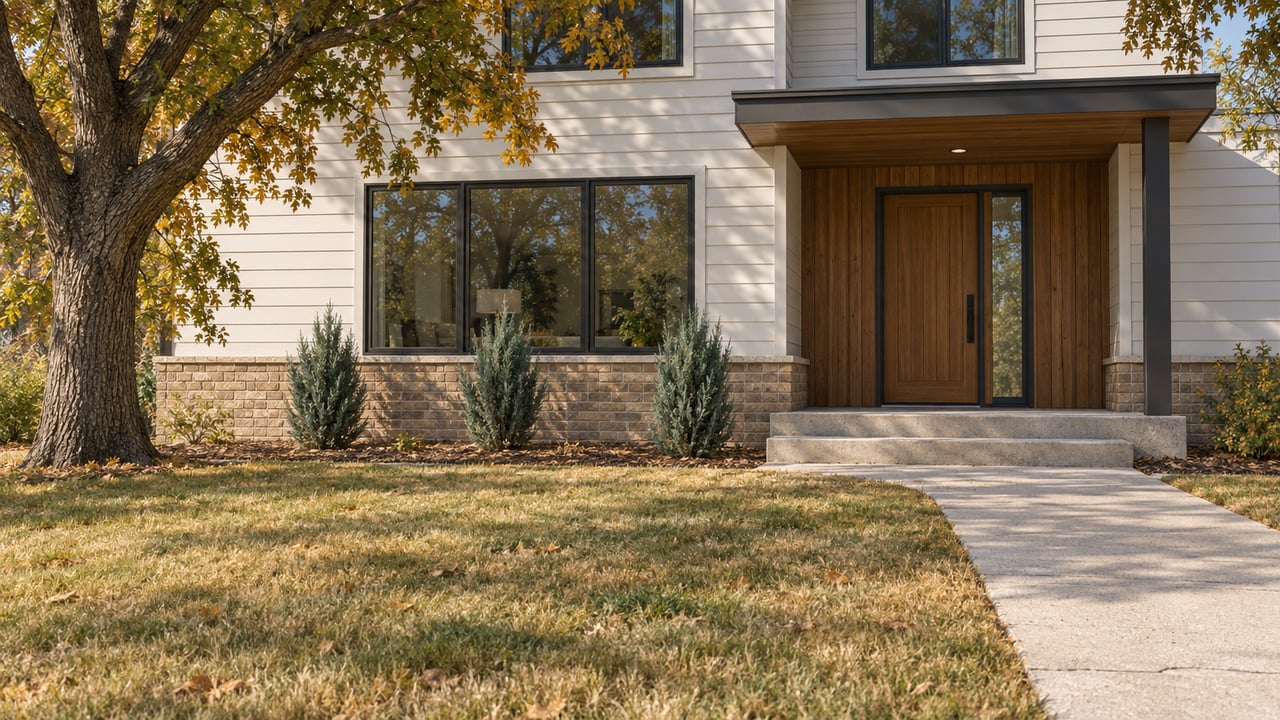
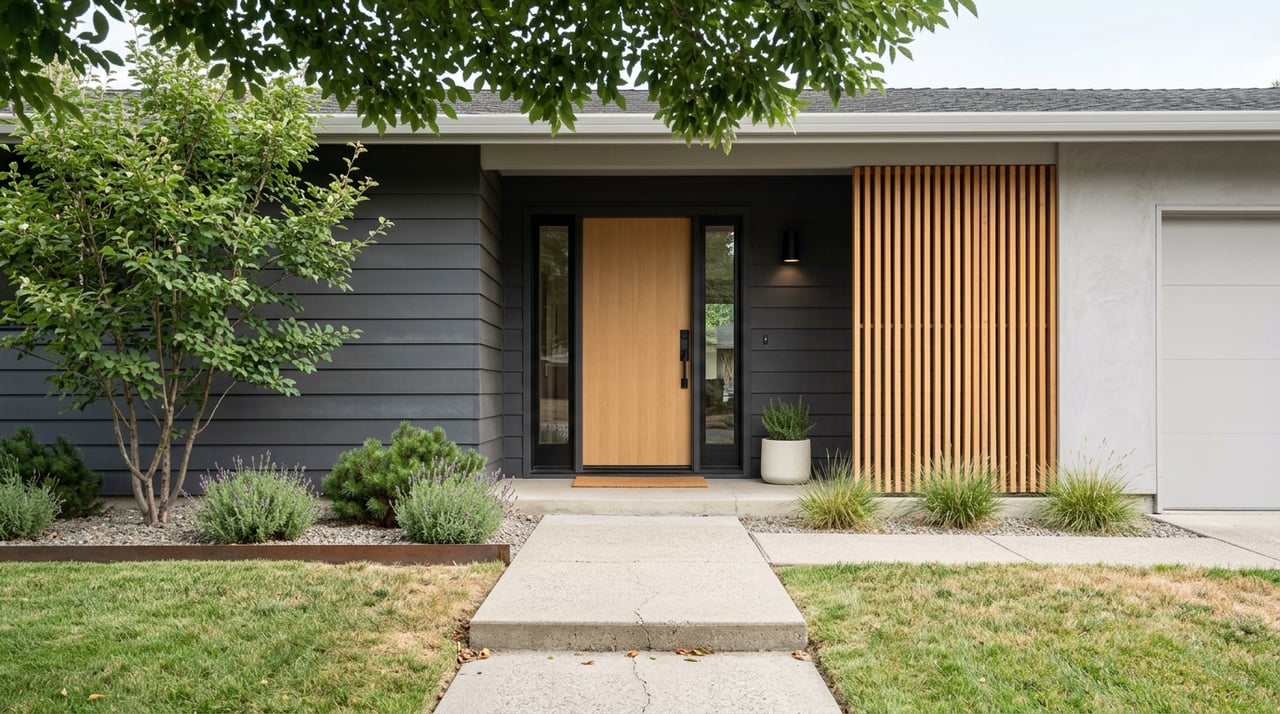
- If you’re on a budget, do a “market makeover.” Declutter, deep clean, refresh paint in neutral tones, upgrade lighting where it counts, and boost curb appeal. Professional photography will amplify every improvement.
Time your launch and pricing
- Seasonality still matters. Spring often brings stronger buyer traffic and a small price premium. See the data-backed overview of the best time to sell. That said, monitor current local actives and pending sales before choosing your exact week.
- Think like a buyer. Price within the most compelling band for your neighborhood. In a balanced market, pricing slightly under a key threshold can pull in more early showings and create healthy urgency.
- Plan your first two weeks. Aim for polished launch assets, weekend-ready showings, and fast feedback loops. If activity misses the mark, be ready to adjust early.
Legal, HOA, ADU, and tax notes
- Colorado seller disclosures. You must disclose known adverse material facts and provide required addenda such as lead-based paint for pre-1978 homes. Have your agent assemble the disclosure packet during prep.
- ADUs and HOAs. Colorado’s recent ADU law, HB24-1152, expands where accessory dwelling units are allowed and limits overly restrictive HOA rules. If your property includes an ADU or potential for one, confirm local implementation before marketing income potential.
- Capital gains basics. Many sellers can exclude up to $250,000 of gain if single, or $500,000 if married filing jointly, when they meet IRS ownership and use tests. Review IRS Publication 523 and consult a CPA for personalized guidance.
How Erin helps you win the market
A balanced market favors sellers who prepare with intention. That is where a design-forward approach shines. With an interior-design background and hands-on remodeling experience, you get practical, room-by-room advice on what to update, what to skip, and how to style for maximum impact. You also get calm, clear guidance on pricing, timing, and negotiation so the process feels organized and low stress.
If you are weighing a spring or early-summer sale, start with a simple conversation about value, prep, and timing. Connect with Erin McDougal to schedule a free consultation and map your next best steps.
FAQs
Is spring 2026 a good time to sell in Arvada?
- It can be, especially if you price and present well. Softer mortgage rates are helping demand, though budgets are still rate-sensitive. Use a CMA and current neighborhood comps to confirm your timing and target price. See the trend in Freddie Mac’s weekly rate survey.
Do I need a pre-listing inspection as a seller?
- Not always, but it often reduces negotiation risk and avoids late surprises, which can shorten escrow. It is especially useful for older homes or if you suspect deferred maintenance. Here is a quick look at pre-listing inspection benefits.
Will staging pay for itself in this market?
- Often yes. National surveys show staging commonly shortens time on market and can increase offers by low single-digit percentages. Prioritize the living room, primary bedroom, and kitchen per NAR’s staging guidance.
How far in advance should I start prepping to sell?
- Plan for 2 to 8 weeks depending on scope. Light updates and staging can be done quickly, while bigger repairs or paint may need more time. Start conversations 2 to 3 months before your target list date so you can schedule vendors and photography without rush.