Buyers touring a 1905 bungalow in Whittier tend to assume the risk lives in the old bones: the fieldstone foundation, the century of settling, the crawlspace nobody has opened in years. Buyers touring a new build east of 28th Street assume the opposite, that fresh construction means a clean bill of health. Boulder County's own testing data says neither assumption holds. The number that shows up on a radon test has almost nothing to do with when a house was built, what it costs, or which neighborhood it sits in. It has to do with what's happening in the soil a few feet beneath the slab, and that can change from one lot to the next.
That single fact reshapes how a Boulder buyer or seller should think about radon, not as a historic-home problem or a new-construction non-issue, but as a line item that belongs in every transaction regardless of address.
What actually decides the number
Boulder County sits in the EPA's Radon Zone 1, the agency's highest-risk classification, and the geology explains why. The granite and uranium-bearing sedimentary formations that run through the Front Range foothills continue right into the county, and radon is simply the gas that results when uranium in soil and rock breaks down. It moves up through the ground and into a home through cracks, gaps, and sump openings in the foundation, and how much of it accumulates depends on the soil directly under that specific house.
That's the part that surprises people. Soil composition can vary meaningfully from one property to the next even within the same block, which means test results from a neighbor's house, a zone map, or a listing from three doors down tell you nothing reliable about the house you're actually buying.
Boulder County's health department has compiled the evidence to back that up. Looking at 19,914 home radon tests submitted to the Colorado Department of Public Health and Environment between 2005 and 2025, 43.5 percent came back at or above the EPA's action level of 4.0 picocuries per liter, with a median reading of 3.3 pCi/L. Statewide, the pre-mitigation share testing high was 46.4 percent. Boulder isn't a statistical outlier within Colorado. It's squarely inside a state where testing high is closer to a coin flip than an exception.
Old bones, new build, same coin flip
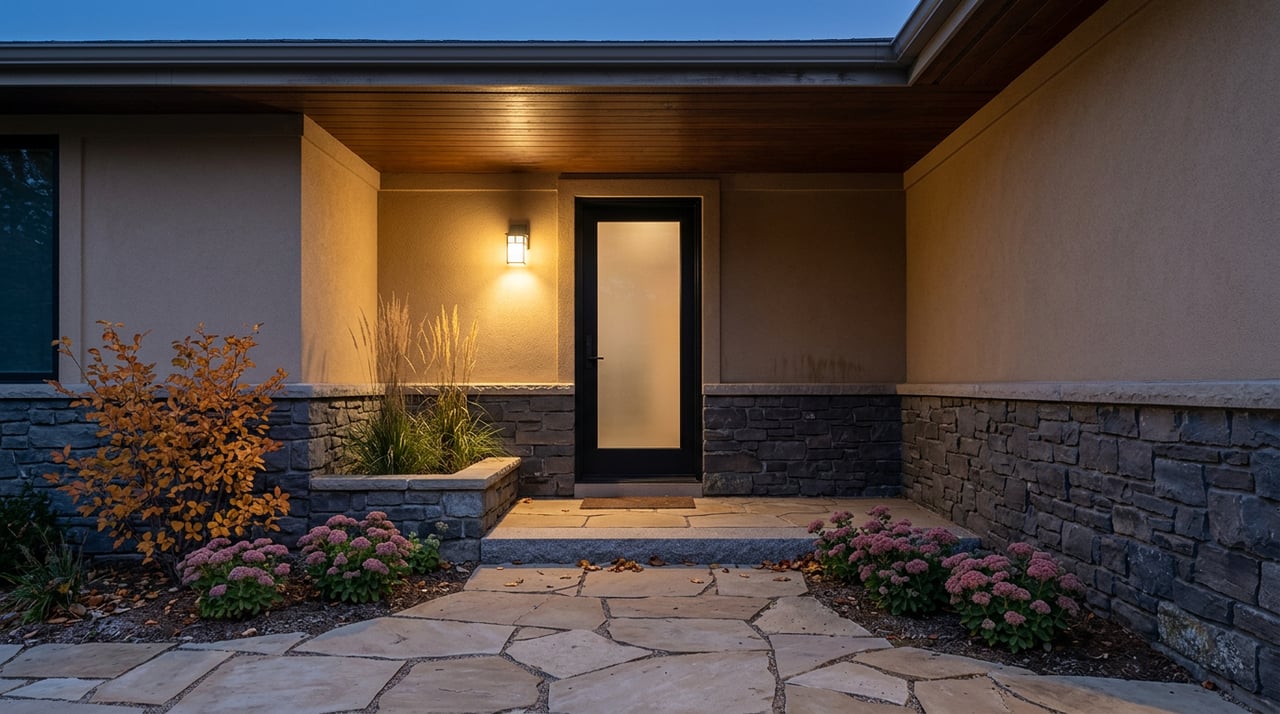
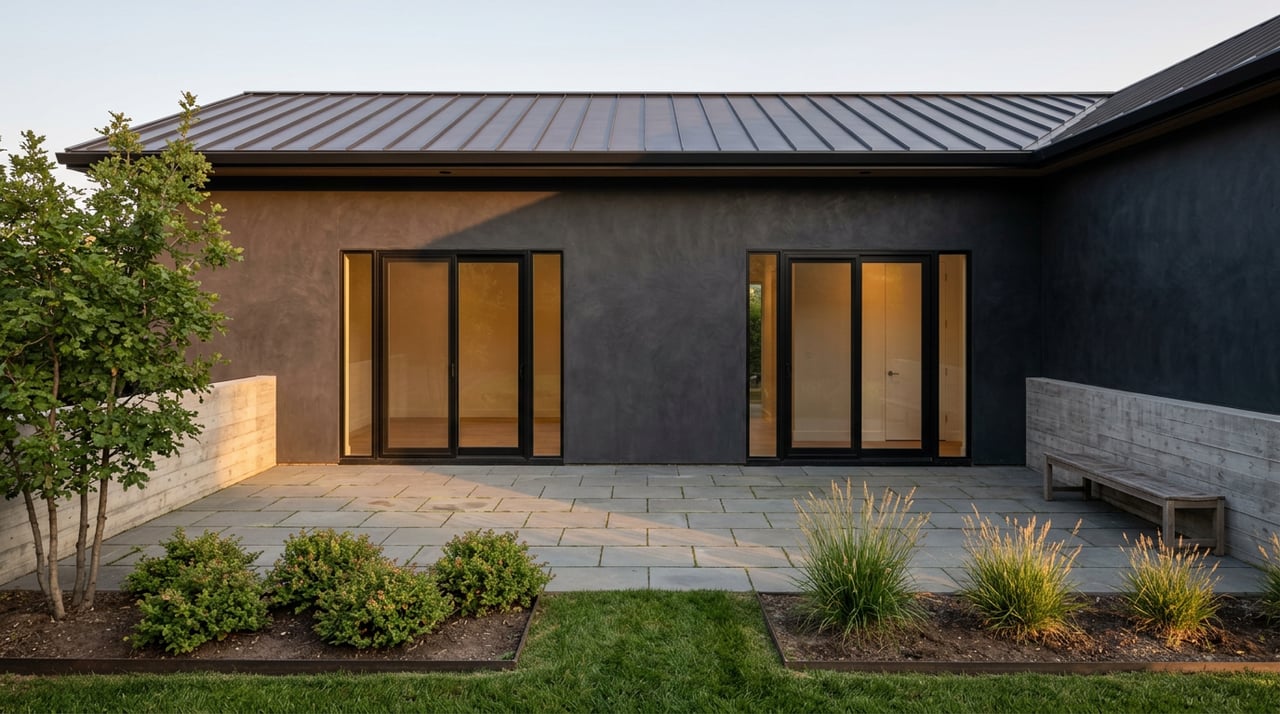
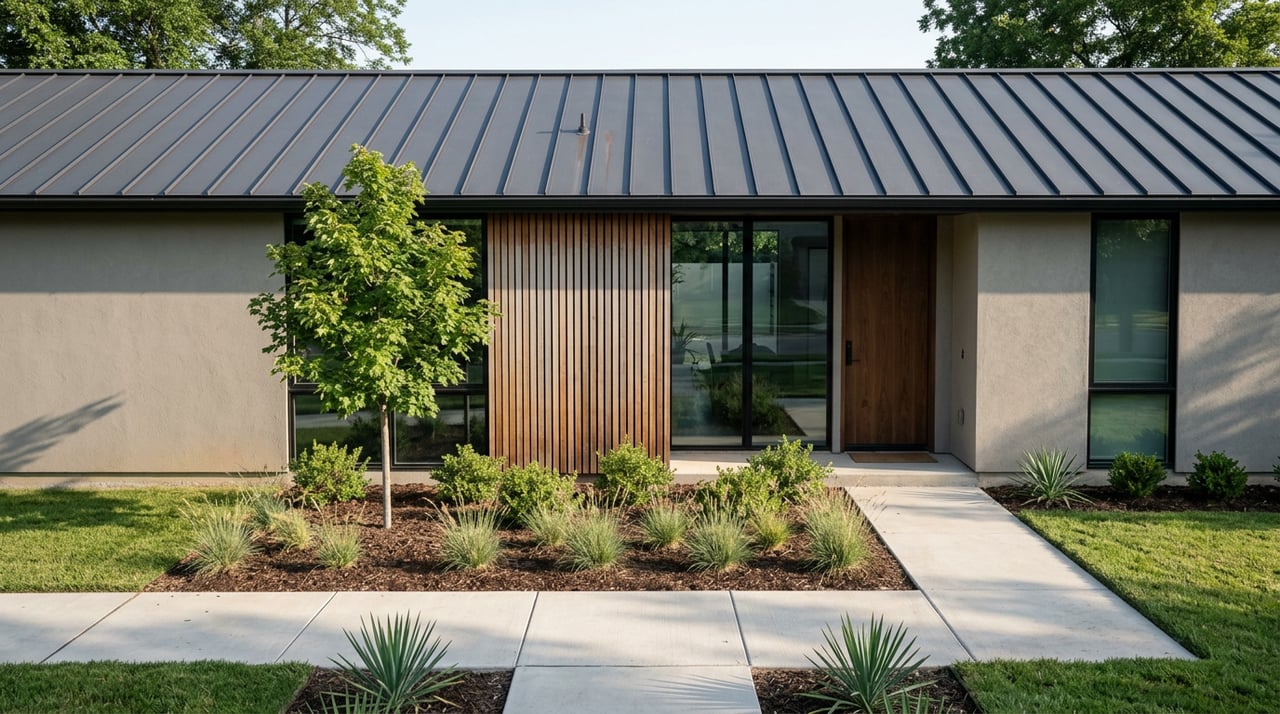
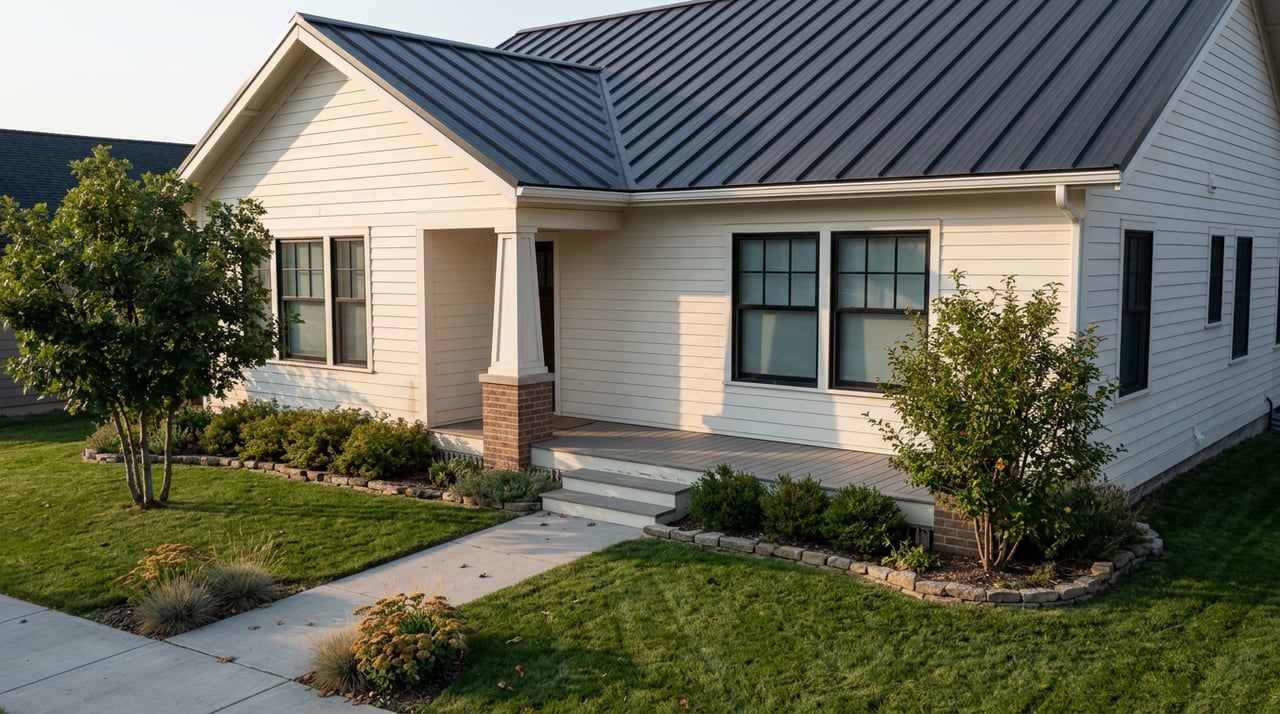
Boulder's housing stock spans a wide range of construction eras, and it's worth naming them because the temptation to sort risk by neighborhood age is exactly what the data argues against. Mapleton Hill, Whittier, and Newlands carry the city's late-1800s and early-1900s housing stock. Martin Acres and Frasier Meadows reflect the mid-century expansion of the 1950s through 1970s. Newer subdivisions sit east of 28th Street and in north Boulder.
If radon tracked construction era, the older neighborhoods would carry the burden and the newer ones would be in the clear. Instead, homes built before the early 1990s predate radon-resistant new construction standards, but newer Boulder homes with passive radon piping should still be tested, since passive systems don't always bring levels below 4.0 pCi/L on their own. A house with the right code-required plumbing in place can still test high if nobody ever activates a fan on that passive system. A century-old house with no radon infrastructure at all can test low if the soil beneath it happens to be less permeable. Age and price point tell you about finishes and floor plans. They tell you nothing about what's moving through the ground.
What the law actually requires you to say
Colorado's disclosure framework around radon has tightened over the past several years. HB 21-1195 and 2023's SB23-206 together require a contract to sell residential real estate to include a written warning statement about radon, along with any knowledge the seller has of the property's radon concentrations and history, including past tests, reports, and mitigation work, plus the most recent CDPHE brochure on radon in real estate transactions.
The disclosure obligation is narrower than it might sound. Sellers are not required to test. If a seller never tested, there's nothing to disclose, and the responsibility to find out shifts entirely to the buyer during the inspection period. But if a seller did test at some point, even years ago, and even if that reading came in under 4.0 pCi/L, Colorado's Seller's Property Disclosure form requires reporting it. The presumption behind that rule is straightforward: if a mitigation system were ever installed and later failed, the radon level would be expected to return to whatever it measured before mitigation went in.
Here's how to read your own test number if you're the one ordering it:
| Reading (pCi/L) | What it generally means |
|---|---|
| Below 2.0 | Low risk, no action typically needed |
| 2.0 to 3.9 | Moderate, mitigation worth considering, especially for long-term occupancy |
| 4.0 or higher | EPA action level, mitigation generally recommended |
How it plays out during your inspection period
In practice, radon testing has become a routine part of the Front Range inspection period rather than an optional extra. Colorado requires anyone conducting the test to hold NRPP certification, and the standard method is a continuous radon monitor placed in the lowest level of the home that could function as living space, left in place for a minimum of 48 hours under closed-house conditions, meaning windows and exterior doors stay shut except for normal entry and exit. The test itself typically runs $125 to $200 as an inspection add-on.
Buyers who write radon into their contract often use language close to this:
Contingent upon radon test being less than 4.0 pCi/L when conducted by a certified radon measurement professional.
When a result comes back high, it rarely kills a deal outright. It becomes a negotiation item, similar to a repair request. A standard sub-slab depressurization system, which vents soil gas above the roofline through a fan and suction point, typically costs $1,200 to $3,000 installed, with $1,500 landing as the most common all-in figure for a typical Front Range home with a basement. More complex installs, including homes with multiple foundation types or difficult routing, can push past $4,000. Done correctly, the method is capable of cutting indoor radon by as much as 99 percent, which is why buyers and sellers in Boulder increasingly treat a high reading as something to fix and finance rather than a reason to walk.
What this means if you're comparing neighborhoods
If you're weighing a Whittier bungalow against a newer place near 28th Street, radon shouldn't be part of that comparison at all, at least not in the way most buyers instinctively frame it. It isn't a reason to favor one era of construction over another, and it isn't a box that new construction automatically checks for you. It's a property-specific unknown that gets resolved with a $150 test and, if needed, a mitigation quote, regardless of which decade the house was framed.
That's a useful thing to know before you're three weeks into a contract and the test results land, and it's the kind of local detail that separates a generic closing checklist from someone who actually works these transactions on the Front Range.
Frequently asked questions
Does a seller have to test for radon before listing a Boulder home? No. Colorado law requires disclosure of what a seller already knows, including past test results and any mitigation history, but it does not require a seller to order a new test. If no test has ever been done, buyers should plan to order their own during the inspection period.
If a new-construction home already has a passive radon system, do I still need to test? Yes. Passive radon piping is a code requirement in new construction, but a passive system without an active fan doesn't always keep readings below the EPA's 4.0 pCi/L action level on its own. Testing is the only way to know whether that system needs to be activated.
Can I trust an old radon test on the seller's disclosure form? Treat it as history, not a current answer. Radon levels can shift with soil conditions and seasonal changes, and a reading from a few years ago may not reflect what the home tests at today. Ordering a fresh test during your own inspection period is the standard practice for a reason.
If you're weighing a purchase or a sale anywhere between Mapleton Hill and the newer streets east of 28th, the radon conversation is one small piece of a much bigger picture, and it's exactly the kind of detail worth walking through before you're staring at a contingency deadline. Erin Loves Homes works these transactions across Boulder and the Front Range every day. Schedule a free consultation and let's talk through what your specific property, and your specific timeline, actually require.