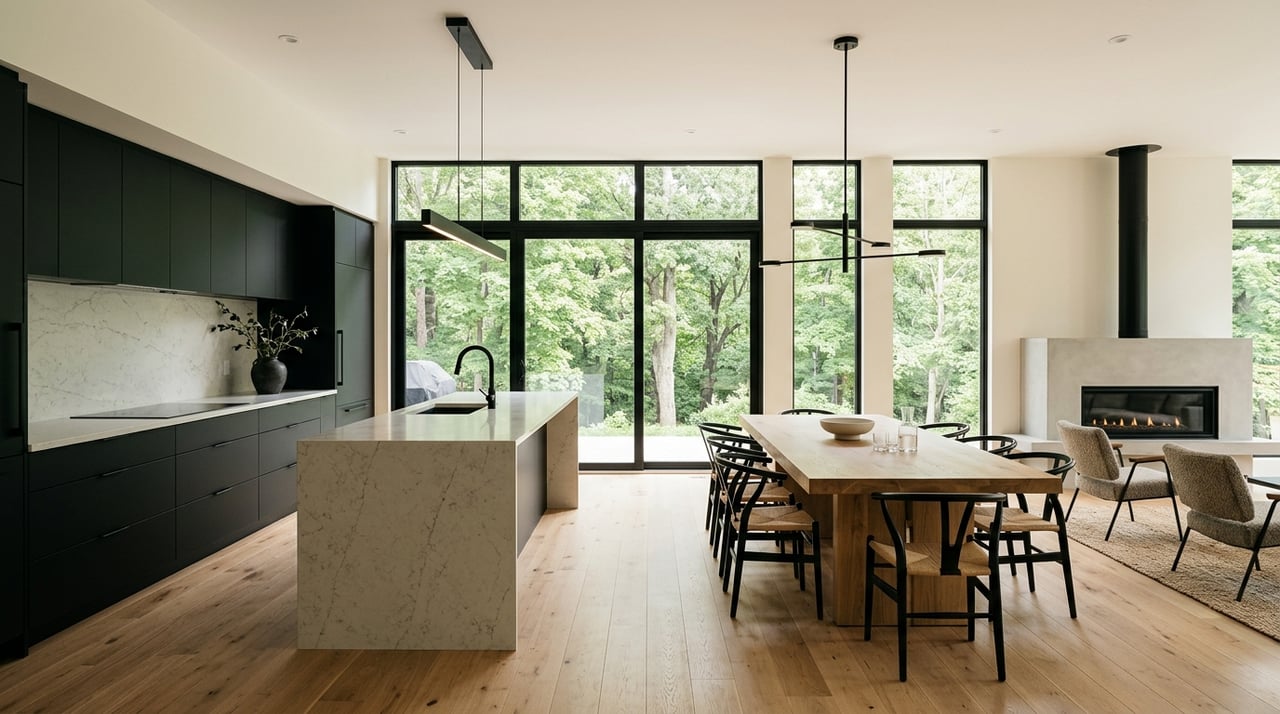
If you care as much about how a home feels as how many square feet it has, Boulder can be an exciting place to buy. Here, design is shaped by abundant sunshine, easy access to the outdoors, and a housing stock that ranges from historic homes to ranch-era properties with real renovation potential. If you want a home that looks beautiful, lives well, and makes sense for the long term, knowing what to watch for can help you buy with more confidence. Let’s dive in.
Why design matters in Boulder
Boulder invites a different kind of home search. The city has more than 300 days of sunshine each year, more than 45,000 acres of preserved open space, and a wide range of residential architecture dating back to the 1880s.
That means you are often evaluating more than finishes and floor plans. You are also weighing daylight, indoor-outdoor flow, original character, and whether a home has the right foundation for thoughtful updates.
In some areas, that design conversation gets even more specific. Boulder has more than 1,300 designated historic properties and 10 historic districts, so the ability to renovate or change exterior features may not be as simple as it first appears.
Prioritize natural light and orientation
In Boulder, sunlight can be one of a home’s best features when it is handled well. A bright room is great, but the real question is how that light performs throughout the day.
As you walk through a home, pay attention to window placement, ceiling height, glare, and how the light shifts from morning to afternoon. South and west exposures can be appealing, but they can also create heat and strong afternoon brightness if the home is not balanced well.
This is also where design and performance meet. Boulder’s energy code emphasizes high-performance windows, walls, roofs, and doors, so it is smart to look beyond the mood of a sunlit room and consider whether the home’s envelope supports comfort and efficiency too.
What to notice during a showing
- Do the main living spaces feel bright without feeling harsh?
- Is there too much heat or glare in the afternoon?
- Do window sizes and placement make the room feel open and usable?
- Do the windows and doors appear updated and well integrated with the home?
Look closely at floor plan flow
A beautiful home can still feel frustrating if the layout does not support daily life. For design-minded buyers, flow matters just as much as finishes.
In Boulder, this is especially important because the housing stock includes older vernacular homes and many postwar ranch layouts. Those homes can offer charm and strong bones, but some have more segmented rooms or tighter transitions than buyers expect today.
As you tour, imagine your actual routine. Notice how the entry connects to the main living space, whether the kitchen supports easy movement, and whether storage areas like pantries or mudroom zones are present and practical.
Signs of a layout that works well
- A clear, welcoming entry sequence
- Easy circulation between kitchen and living spaces
- Convenient access to outdoor areas from main rooms
- Storage that supports real life, not just staging
Choose durable finishes over quick trends
Great design is not only about what photographs well. In Boulder, the most valuable homes often pair attractive finishes with solid performance behind the walls.
That matters because the city’s building and energy standards place real emphasis on efficiency and long-term building performance. If a home has stylish surfaces but older windows, weak insulation, or dated doors and systems, the design value may not be as complete as it seems.
When you walk through a property, try to separate cosmetic appeal from meaningful upgrades. Fresh tile and lighting are nice, but windows, insulation, roofing, and HVAC can have a bigger impact on comfort and future costs.
A smart design lens for finishes
Ask yourself:
- Are the materials likely to age well?
- Do the visible upgrades match the home’s overall condition?
- Has the seller improved the home’s envelope, or mainly the surfaces?
- Does the house feel comfortable and consistent from room to room?
Focus on homes with strong update potential
Some of the best Boulder opportunities are not perfect homes. They are homes with character, structure, and a clear path to improvement.
That could mean an older house with original details worth preserving, or a ranch home with a layout that could be refined over time. For many design-minded buyers, that kind of potential is more appealing than a home that feels fully finished but generic.
Still, it is important not to assume every property can be reworked easily. In Boulder, landmarked homes and properties in historic districts are subject to design review, and non-designated buildings that are more than 50 years old can trigger demolition review.
Questions to ask before assuming a remodel is simple
- Is the home landmarked?
- Is it located in one of Boulder’s historic districts?
- How old is the structure?
- Are the changes you are imagining interior, exterior, or both?
Watch for Boulder-specific red flags
Design-minded buyers also need to think practically. A home can be visually compelling and still come with site conditions or regulatory issues that affect cost, safety, or renovation plans.
In Boulder, a few local factors deserve extra attention.
Floodplain and drainage concerns
Boulder has the highest flash-flood risk in Colorado, and about 15 percent of the city lies within the regulated floodplain. More than 2,500 structures are affected, and flood risk can also exist outside mapped floodplains.
If a home is in or near a floodplain, ask detailed questions. Standard homeowners insurance does not cover flood damage, so you will want clarity on mapping, drainage history, basement performance, grading, and whether documents like an elevation certificate or LOMA are available.
Wildfire exposure near open space
If you are shopping near the foothills, open space, or the edge of town, wildfire resilience becomes part of the design conversation. Boulder County identifies the area as one of the most at-risk parts of the Rocky Mountain Region for wildfire, and the City of Boulder has adopted Wildland Urban Interface requirements for certain areas.
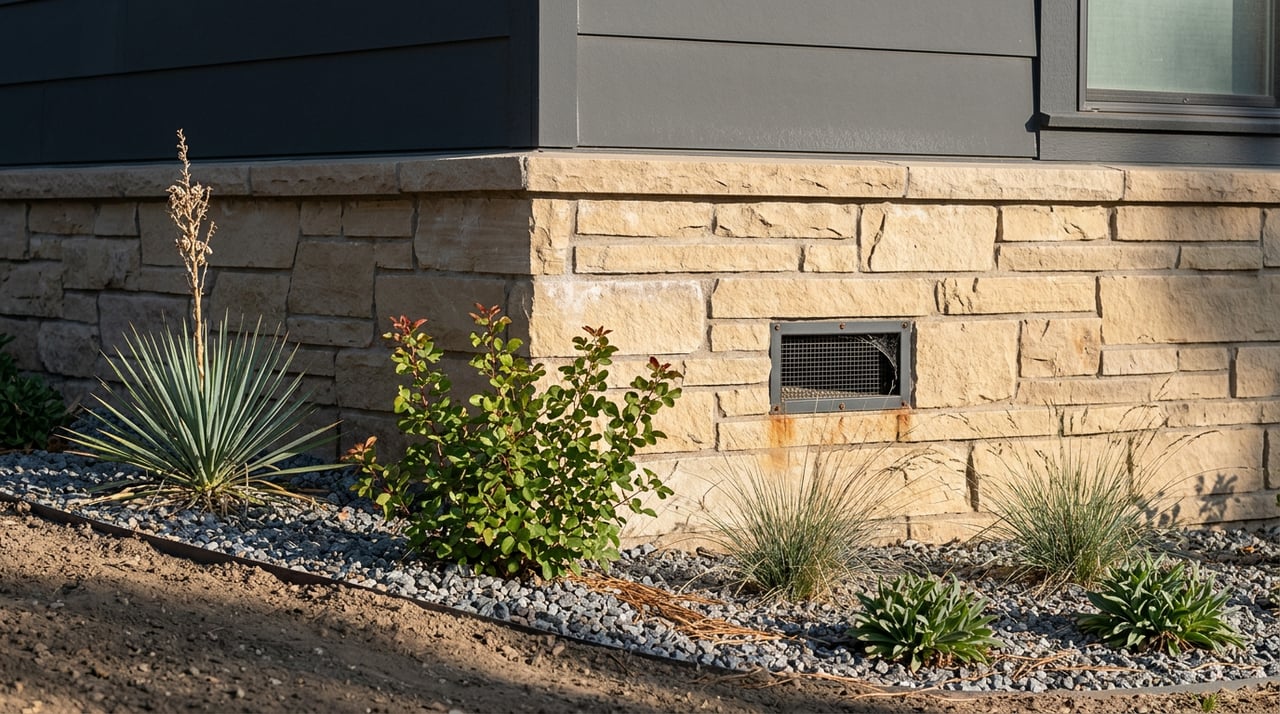
Look beyond the view and study the materials. Roof type, vents, decks, fences, surrounding plantings, and defensible-space maintenance can all matter when evaluating a property.
Slopes, soils, and foundation movement
On sloped or hillside lots, site conditions matter more than many buyers realize. Boulder County planning materials identify landslides, expansive soil and bedrock, and related geologic concerns as important local hazards.
If you notice cracking, sticking doors, uneven floors, retaining wall movement, or additions that feel visually off, take that seriously. A closer review of drainage history and geotechnical documentation may be warranted.
Verify renovation constraints early
If you love design, it is easy to mentally start remodeling the moment you walk into a house. In Boulder, it is wise to pause and verify what is actually possible before you fall in love with a vision.
Historic district rules can affect exterior changes
Boulder’s historic districts exist to protect areas with historic, architectural, or environmental significance. If a home is landmarked or within a historic district, exterior work may go through a design-review process.
That can affect plans to replace windows, add square footage, alter visible materials, or make other exterior changes. If flexibility matters to you, confirm the review path before you buy.
Current codes matter for future remodels
Boulder adopted the 2024 ICC building codes with local amendments and the 2024 City of Boulder Energy Conservation Code, effective December 1, 2024. For buyers, that means future updates should be evaluated against current rules early in the process.
This is especially important if you are hoping to create a home that feels both refined and efficient. A beautiful renovation plan works best when style and code requirements are considered together from the start.
Outdoor design may also be regulated
In wildfire-prone areas, the design conversation does not stop at the back door. Landscaping, fencing, decks, and planting choices can be part of the overall risk and compliance picture.
That means outdoor living spaces should be evaluated as part of the property, not treated as a simple finishing touch. A patio or yard may be beautiful, but you will want to understand how it fits local site and wildfire considerations.
A practical Boulder showing checklist
When you tour homes, keep this quick checklist in mind:
- Does the home feel bright throughout the day without too much glare or overheating?
- Do the main rooms connect naturally to a patio, deck, or yard?
- Is the layout easy to move through, or would it need major reconfiguration?
- Do the windows, doors, insulation, roof, and HVAC suggest real upgrades, not just cosmetic ones?
- Is the home landmarked, in a historic district, or likely more than 50 years old?
- Is the property near a drainageway, floodplain, foothill edge, steep slope, or wildfire-prone area?
Buy with both vision and discipline
The best Boulder home for you may not be the flashiest one on the market. It may be the one with great light, strong flow, meaningful performance upgrades, and realistic potential for the changes you want to make.
When you approach the search with both design vision and practical discipline, you are more likely to choose a home that feels inspiring now and still works well years from now. If you want a calm, design-aware partner to help you evaluate Boulder homes with both style and substance in mind, Erin Mcdougal is here to help.
FAQs
What should design-minded buyers look for in Boulder homes first?
- Start with natural light, floor plan flow, indoor-outdoor connection, and the quality of core upgrades like windows, doors, insulation, and roofing.
How do historic districts affect Boulder home renovations?
- If a Boulder home is landmarked or located in a historic district, exterior changes may be subject to city design review, so you should verify renovation options early.
Why is flood risk important when buying a Boulder home?
- Boulder has the highest flash-flood risk in Colorado, and flood risk can affect insurance, property use, and future costs even outside mapped floodplains.
What wildfire features should buyers check in Boulder properties?
- For homes near open space or the foothills, review roof materials, vents, decks, fences, landscape choices, and overall defensible-space maintenance.
Are older Boulder homes always easy to remodel?
- No. Some older homes have excellent character and potential, but age, historic status, demolition review, and current building and energy codes can all affect what changes are feasible.