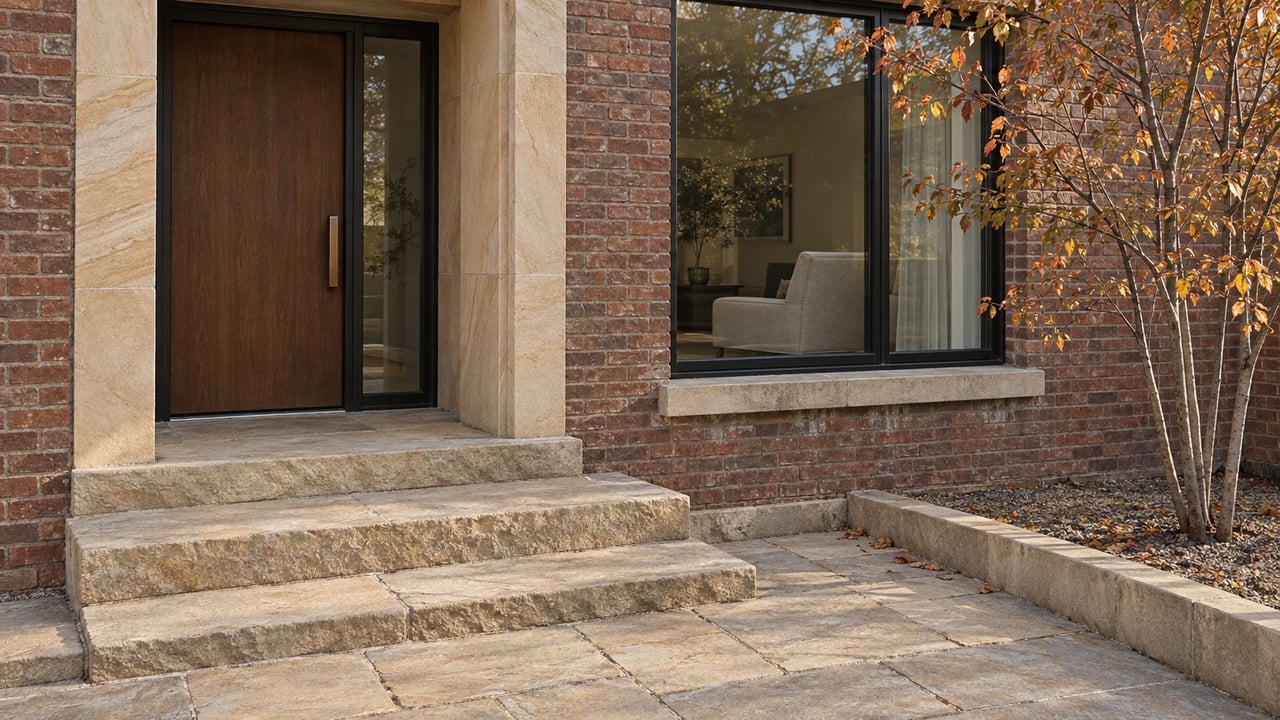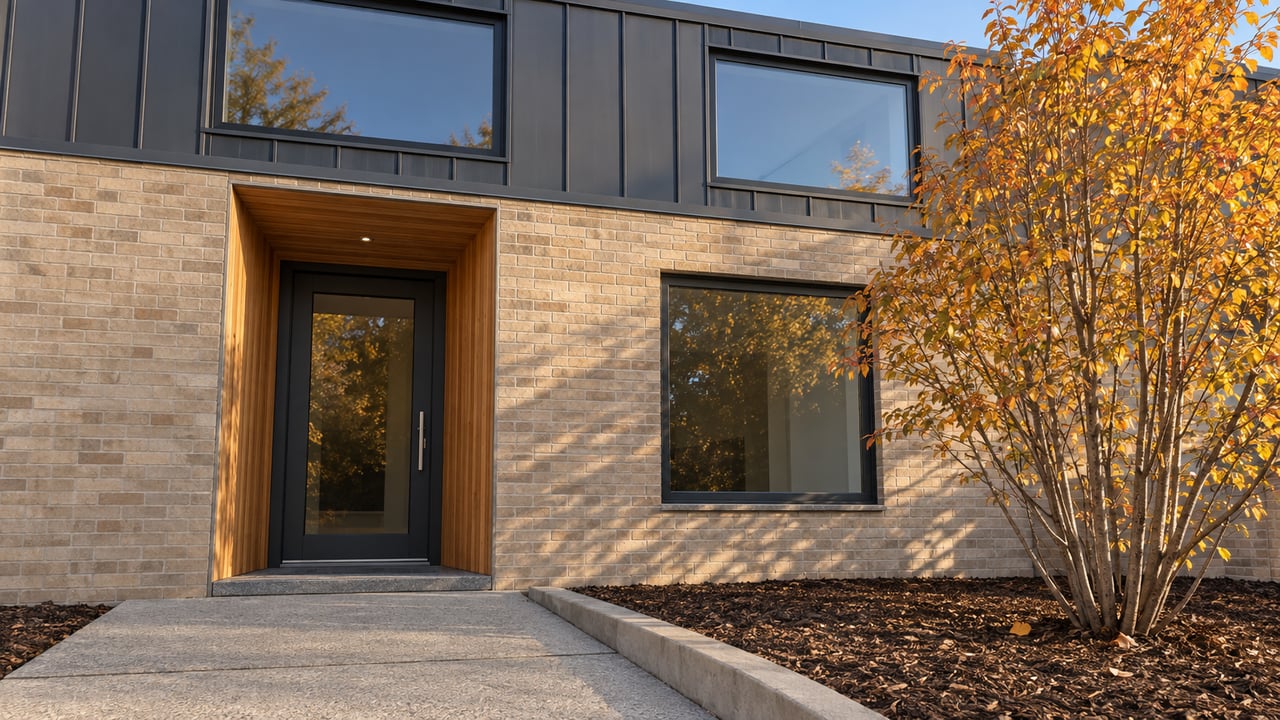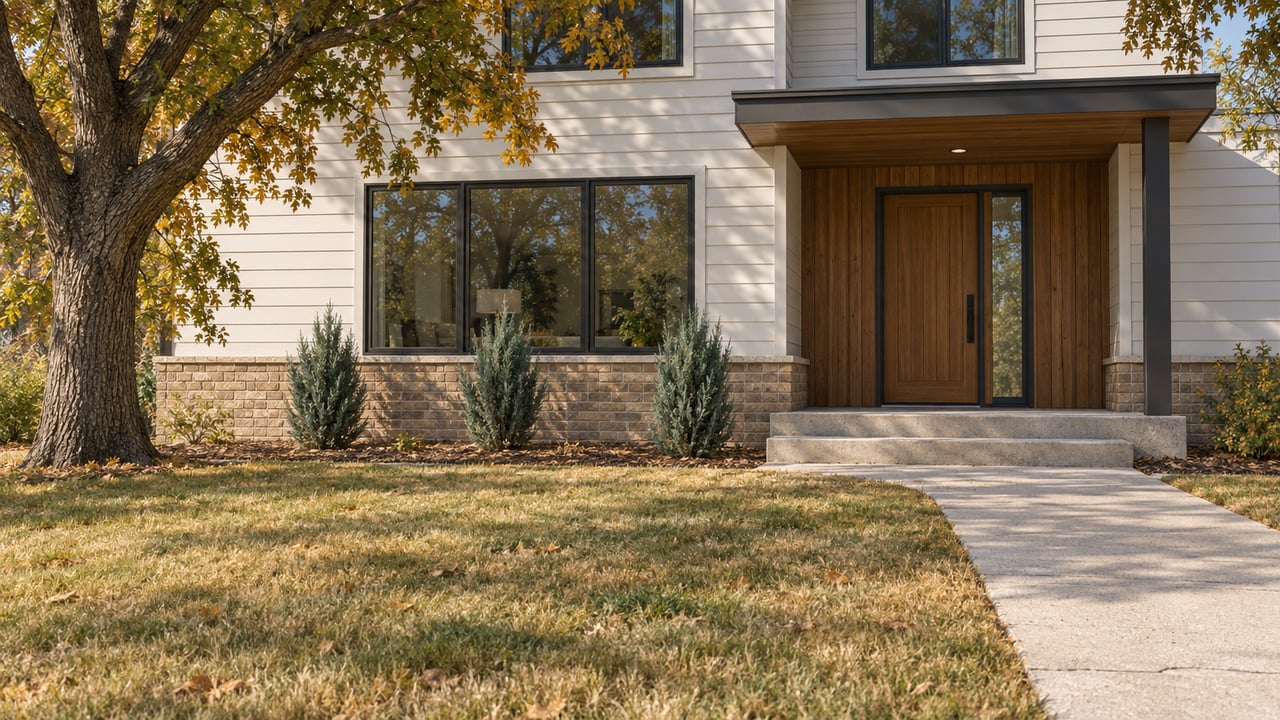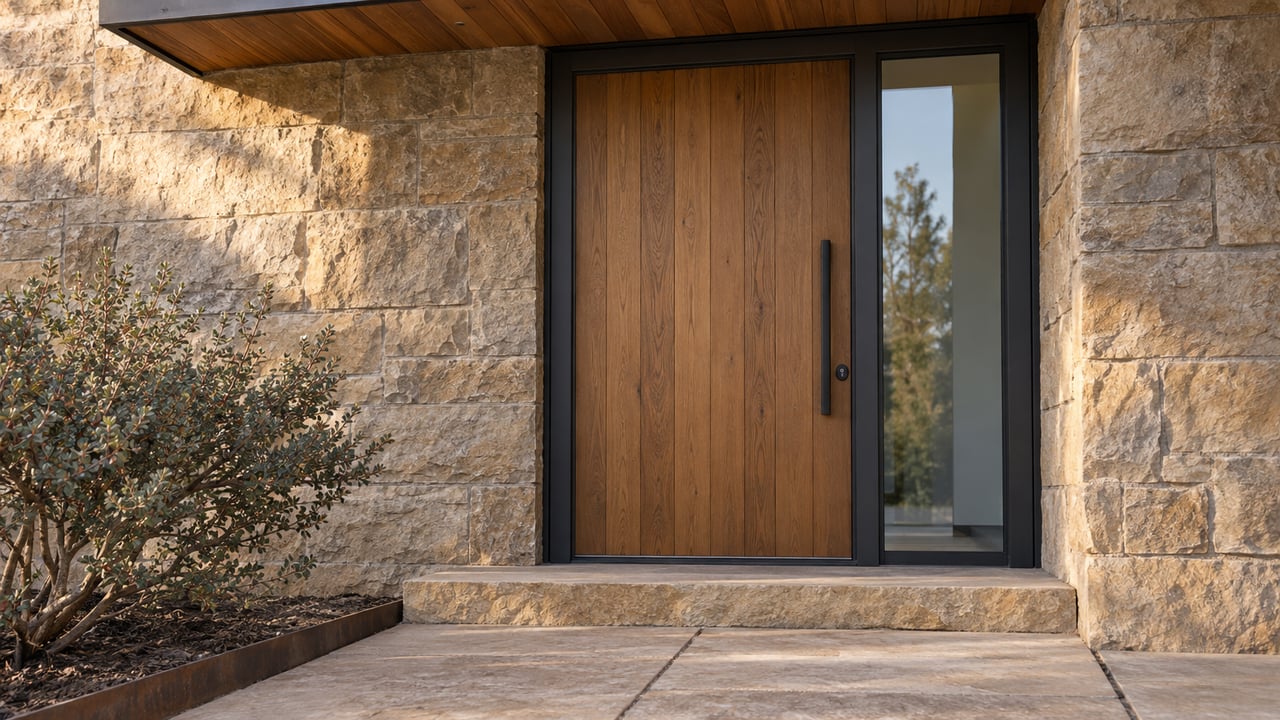
Two houses. Same city. Roughly the same price. One of them will cost its owner more in property tax than the other, every year, for another two decades or more.
That is not a hypothetical. It is the arithmetic of buying in Arvada right now, and it is worth understanding before an offer goes in. The gap has nothing to do with square footage, lot size, or school boundaries. It comes down to a single question buyers rarely think to ask: is this house still paying off someone else's infrastructure bond?
The number on the listing is a historical number
New construction in Colorado has a quirk that catches even careful buyers off guard. The property tax figure attached to an MLS listing often reflects what the county assessed when the lot was still dirt, before roads, water lines, and a clubhouse existed. The number looks reasonable because, technically, it was accurate once. It just was not accurate for very long.
That gap matters more in some Arvada subdivisions than almost anywhere else in the metro, because of how the city itself is taxed. The City of Arvada keeps one of the lowest municipal mill levies in the Denver metro area, just 4.31 mills, according to the Arvada Economic Development Association. Add in the county, the school district, and the other standard layers, and the total combined mill levy across most of the city lands around 80 mills as of this spring. That is the rate an older Arvada home, one built before the metro district era, actually pays.
New subdivisions play by a different set of rules.
What a metro district actually does
A metropolitan district is a government entity, separate from an HOA, formed specifically to finance the roads, sewer lines, parks, and pools that a new subdivision needs on day one. The district issues bonds to build that infrastructure up front, then repays those bonds over time, typically twenty to thirty years, through its own mill levy stacked on top of the city and county's existing rate. It is a financing tool, not a scam. Somebody has to pay for the streets before the houses are worth anything, and a metro district spreads that cost across the people who actually live there instead of folding it entirely into the builder's price tag.
The catch is that the district's mill levy is often much higher than buyers expect, and it does not appear anywhere the assessed-value math would suggest.
Candelas, in northern Arvada, is served by the Vauxmont Metropolitan District. Vauxmont has no separate HOA. Instead of collecting monthly dues, the district functions like one, covering financial management and covenant enforcement, and pays for it through the mill levy baked into every resident's property tax bill. According to the district's own Service Plan, Vauxmont's mill levy is capped at 50 mills, subject to adjustment. The figure actually certified for collection in 2026 is 89.745 mills. That gap between the number a buyer might find quoted as "the cap" and the number that shows up on the tax bill is exactly the kind of detail that needs verifying fresh, not assumed from an old flyer or a secondhand summary.
Leyden Rock, also in Arvada, runs its own metropolitan district with a separate certified mill levy: 53.502 mills for the most recent tax year. Different community, different bond schedule, different number entirely. There is no such thing as a standard Arvada metro district rate. Each one is its own animal, set by its own service plan and its own repayment timeline.
Older sections of the city, including established neighborhoods like Scenic Heights, were built before metro districts became the default financing tool for new subdivisions. Homes there still carry separate mill levies for services like fire protection and parks and recreation, but they are not carrying a bond repayment on top of everything else. That is the real dividing line in Arvada real estate right now, and it has nothing to do with how a house looks from the street.
What the split looks like in actual dollars
| Where the tax comes from | Approximate mill levy | What it funds |
|---|---|---|
| City of Arvada (municipal only) | 4.31 mills | Core city services |
| Arvada combined total (no metro district) | roughly 80 mills | City, county, school district, standard special districts |
| Leyden Rock Metropolitan District | 53.502 mills (2025 certified) | Bond repayment plus district operations, on top of the combined total |
| Vauxmont Metropolitan District (Candelas) | 89.745 mills (2026 certified) | Bond repayment plus district operations, on top of the combined total |
The pattern shows up in current county tax data too. As of 2026, Arvada's 80007 zip code, home to Candelas, carries a median effective property tax rate of 0.93 percent. The 80003 zip code, older and outside any metro district, sits at 0.57 percent. That 0.36 percentage point spread lives entirely inside one city, and it is the clearest evidence that the sticker price on a new build does not tell you what you will actually owe once the district's own levy phases in at full assessed value.
A home in a metro district is not being taxed unfairly. It is being taxed on a different schedule, for infrastructure that an older neighborhood already paid off decades ago.
Before you write the offer
Colorado law has closed part of this gap. According to Mile High Title Guy, since January 1, 2024, sellers of homes inside a metropolitan district organized on or after January 1, 2000 are required to give buyers the district's official website as part of the transaction. That is a floor, not a full picture. A few things worth confirming directly, before anything gets signed:
- Pull the district's current certified mill levy from its own website or its annual transparency notice, not from a listing sheet or a general summary that might predate this year's certification.
- Ask whether the property is still on the developer-assessed value or has moved to a market-rate reassessment, since the jump between the two is where most of the surprise lives.
- Check the property tax bill's "Authority" column through the Jefferson County Treasurer's site. A line labeled "Metro" is the tell.
- Ask how many years remain on the district's bond repayment. A district five years from paying off its infrastructure debt behaves very differently, financially, than one that is fifteen years in.
None of this is a reason to avoid Candelas, Leyden Rock, or any other Arvada community built on a metro district. Plenty of buyers make that trade deliberately, choosing newer streets and better-funded amenities over an older home's lower carrying cost. The key is to weigh those benefits against the district's tax burden before committing.
Frequently asked questions
Does a metro district mean the neighborhood also has an HOA? Not always. Candelas, for example, has no separate HOA. The Vauxmont Metropolitan District performs many of the same functions, including covenant enforcement, and funds them through the tax bill instead of monthly dues.
Will the mill levy in a metro district ever go down? It can, once the district's bonds are paid off, but that is typically a twenty to thirty year horizon from when the bonds were issued. Until then, expect the levy to hold steady or adjust with the district's certified needs each December.
How do I find out if a specific Arvada address is inside a metro district? Check the property's tax bill through the Jefferson County Treasurer's site and look at the Authority column. Any line item labeled "Metro" confirms it.
If you are weighing a newer Arvada build against an older neighborhood and want the real math run before you write anything, that is exactly the kind of conversation Erin Loves Homes has with buyers every week. Schedule a free consultation and we will walk the actual mill levy, not the historical one, before you fall in love with a floor plan.
This article is general information, not legal, tax or financial advice. Consult a qualified professional about your situation.